Decks Built and Finished for Outdoor Conditions
Staining and Deck Construction in Raleigh for wood surfaces showing gray weathering, surface checking, or structural wear that needs repair or replacement
Raleigh's combination of humid summers, periodic freeze-thaw cycles in winter, and long UV exposure seasons creates specific conditions that accelerate wood degradation on unprotected decks. D & B Painting and Drywall builds, repairs, and finishes wood decks in Raleigh, handling everything from new custom deck construction to structural repairs and protective staining on existing surfaces. Wood that has turned gray and begun to check—developing fine surface cracks that run with the grain—has already lost surface fiber from UV breakdown, and that damage progresses to deeper checking and splitting without a protective finish that blocks UV radiation and repels moisture.
Deck staining begins with surface preparation that determines how well the finish penetrates and adheres. New wood must be allowed to dry adequately before staining—green lumber closes its surface pores as it dries, and stain applied too early sits on top of the wood rather than penetrating into the grain where it provides lasting protection. Previously finished decks require cleaning to remove failed coating, mildew, and gray oxidized fiber before new stain is applied, because layering over a compromised surface reproduces the adhesion failure of the original finish.
Connect with D & B Painting and Drywall to have your existing deck evaluated for structural condition and staining requirements before the next Raleigh wet season arrives.
What Deck Staining and Construction Actually Accomplishes
Protective wood finishes work differently from paint—penetrating stains absorb into wood fiber and protect from within, while film-forming finishes create a surface layer that blocks moisture and UV. Penetrating stains are typically preferred for decks because they don't peel when moisture migrates through the wood from below, which is a common failure mode for film-forming products on horizontal surfaces exposed to rain. The choice between transparent, semi-transparent, and solid stains affects how much of the wood's natural grain remains visible and how long the finish holds before requiring reapplication.
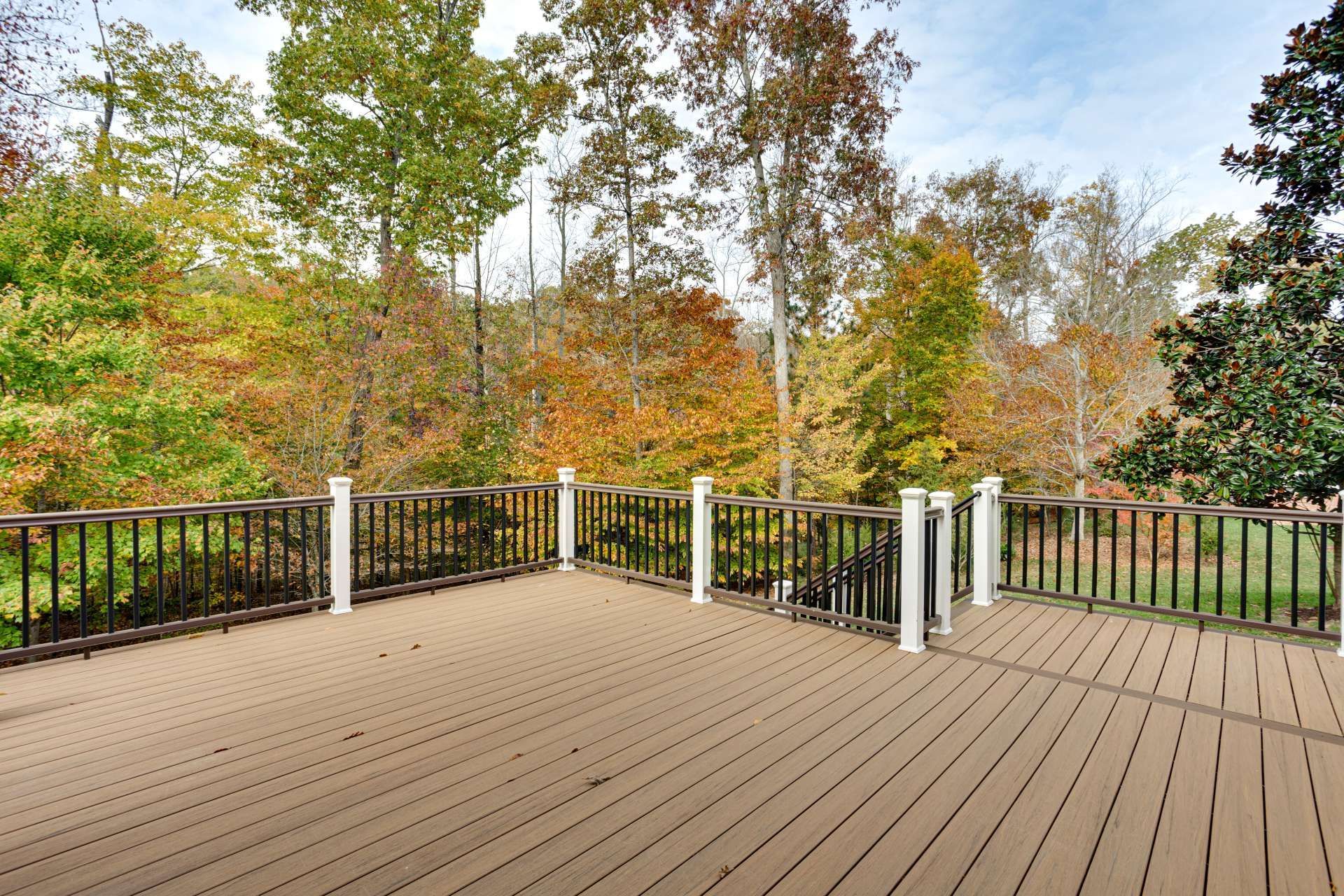
After staining is complete, a properly finished deck surface beads water visibly rather than absorbing it, resists mildew growth in shaded areas, and maintains consistent color without the gray patching that indicates UV breakdown. Deck construction projects produce a structure with level, secure decking boards, fasteners set flush or slightly below the surface to prevent snag hazards, and framing connections that meet load requirements for the intended use.
Deck repair and improvement work involves assessing which structural components can be retained and which require replacement—joists and posts showing soft spots or fungal staining have lost structural integrity and need replacement regardless of surface appearance. Custom deck projects involve planning decisions around size, layout, railing design, and connection to the structure that affect both the construction approach and the permit requirements applicable in the Raleigh area. Staining maintenance schedules vary by product type and sun exposure, with penetrating stains on heavily exposed surfaces typically requiring reapplication more frequently than those in shaded conditions.
What Deck and Wood Finishing Clients Typically Ask
These questions reflect common concerns from homeowners evaluating deck repairs, new builds, and refinishing projects, particularly around wood preparation and product selection for outdoor conditions in this region.
How do I know if my deck needs staining or full board replacement?
Boards that spring back when pressed with a screwdriver and show only surface graying can typically be cleaned and stained, while boards that feel spongy or splinter deeply when prodded have lost structural integrity and need replacement before any finish work begins.
Why does deck stain peel on some surfaces but not others?
Peeling almost always indicates a film-forming product was used on a surface with moisture moving through from below—penetrating stains avoid this failure because they don't create a surface film that moisture can push up from beneath.
How long should new deck lumber dry before staining?
Pressure-treated lumber typically needs several weeks to several months of drying time depending on moisture content at the time of installation—the water-drop test, where water beads on wood that's not ready and absorbs quickly into wood that is, helps confirm when the surface will accept stain properly.
What makes Raleigh's climate particularly hard on deck finishes?
The combination of high summer humidity, frequent rain, UV intensity during long warm seasons, and occasional winter freezing cycles creates repeated wet-dry and expand-contract stresses that degrade both wood fiber and protective coatings faster than in drier climates.
What structural components are inspected during a deck repair assessment?
Ledger board connections to the house, post bases for ground contact or moisture damage, joist hangers for corrosion, and decking board ends where moisture tends to infiltrate first are the areas most likely to show early structural deterioration on aging decks.
D & B Painting and Drywall manages deck construction, repair, and wood finishing as a complete process rather than separating surface work from structural evaluation. Call (919) 215-3600 to set up an on-site review of your deck project.