Bathroom Surfaces Rebuilt to Resist Moisture
Bathroom Remodeling in Raleigh for spaces with failing wall surfaces, deteriorated vanity cabinets, or tile and finishes that no longer seal against water
Paint that bubbles near the shower, wall surfaces that flex when pressed, grout lines that have darkened and separated—these are the signs that a bathroom's surface assembly has been compromised by moisture over time. D & B Painting and Drywall provides bathroom remodeling services that address the underlying surface failures in addition to the visible finishes, covering everything from wall and surface improvements to vanity and cabinet updates and complete bathroom transformations. The work is built around understanding how moisture moves through bathroom assemblies, not just replacing what looks worn.
Bathroom renovation requires a different material approach than other rooms because of constant exposure to steam, humidity, and direct water contact. In Raleigh, where summer humidity is already elevated before a shower adds to it, bathrooms in homes without adequate exhaust ventilation develop accelerated surface deterioration—standard drywall behind tile or near vanity areas absorbs moisture that eventually causes adhesive failure, mold growth behind finishes, or structural softening of the wall assembly. A proper renovation begins with identifying how far moisture has penetrated before new board is installed, which determines whether removal is limited to the finish layer or extends to the framing. Custom bathroom upgrades are then built on that corrected substrate, whether the scope involves just the walls or extends to vanity configurations, surface materials, and finish details throughout the room.
Arrange a bathroom assessment to identify where moisture has affected existing surfaces and understand the full scope before renovation work begins.
Why Bathroom Renovation Requires Specific Standards
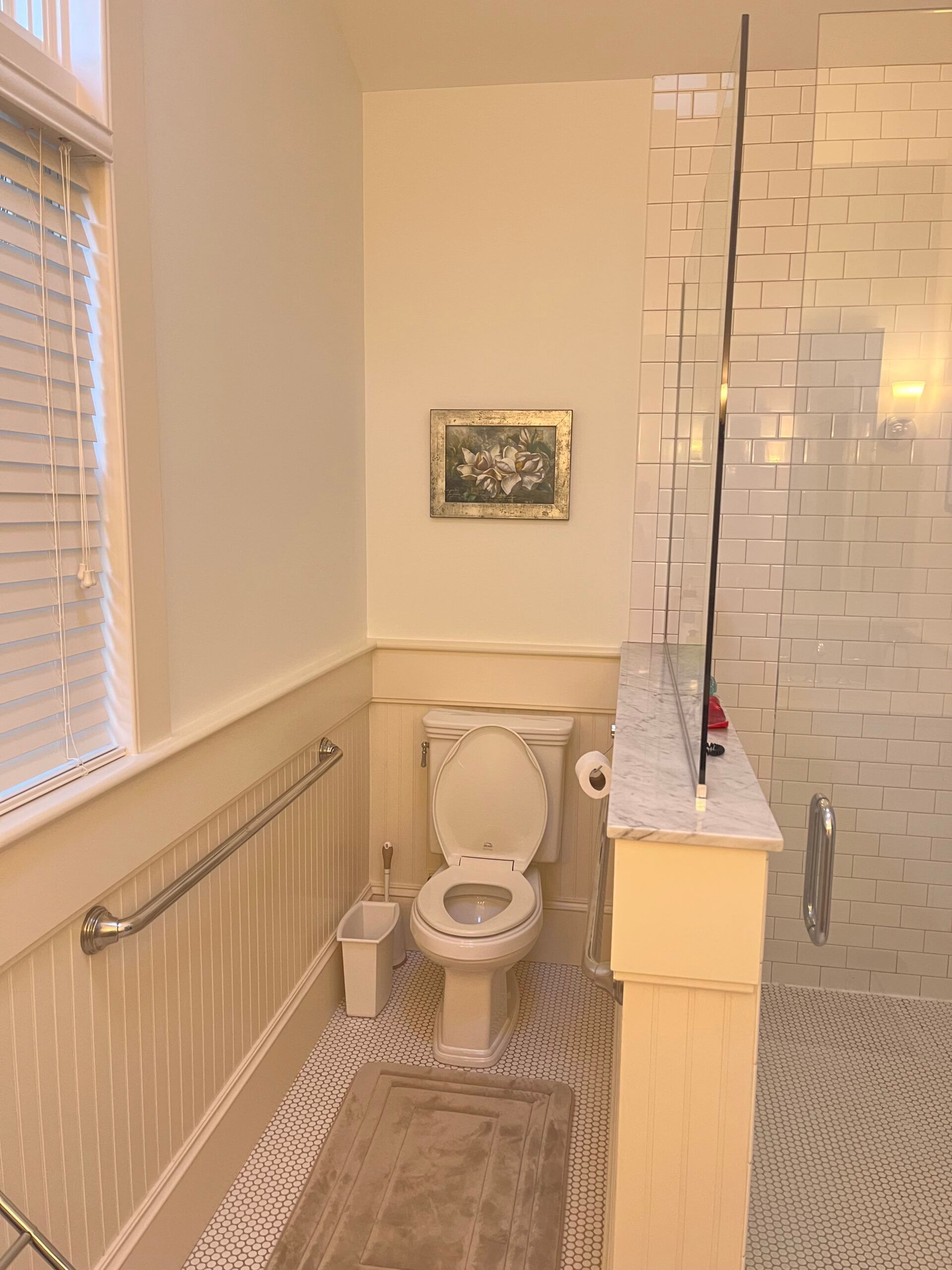
The materials installed in a bathroom renovation need to be selected and applied based on where in the room they'll be located and what exposure level they'll face. Cement board or moisture-resistant backing panels are standard in wet zones—areas within direct splash range of the shower or tub—while moisture-resistant drywall is appropriate for areas with indirect humidity exposure. Wall and surface improvements in a bathroom aren't complete until seams, corners, and transitions are properly taped, mudded, and finished to prevent water from finding paths behind the new surface layer. That sealing process is what separates a surface that holds for years from one that begins failing within months.
After a completed bathroom renovation, the observable changes include walls that don't show staining or discoloration near the vanity and shower, cabinet doors that hang level and close flush, and paint finishes that clean without absorbing moisture or showing surface breakdown. What's less visible but equally important is the absence of the soft spots, bubbling, and grout separation that were present before—those symptoms stop recurring when the underlying assembly is rebuilt correctly rather than resurfaced over compromised material.
The scope of bathroom remodeling work varies based on whether the project targets a single problem area or involves a complete bathroom transformation from floor to ceiling. Vanity and cabinet updates can be completed independently of wall surface work, but projects that involve tile removal almost always reveal surface conditions that require attention before new finishes are installed. Understanding that relationship upfront prevents mid-project scope changes from affecting timeline and budget.
Answers to Frequent Service Questions
Bathroom renovation projects raise practical questions about materials, process, and what to expect when walls are opened. The following answers address what homeowners consistently ask when planning this type of work in Raleigh.
What type of board should be behind tile in a shower or tub surround?
Cement board is the appropriate substrate behind tile in wet zones—it doesn't degrade when exposed to water the way standard or even moisture-resistant drywall does, and it provides the rigid, stable base that tile adhesive requires to maintain bond over time.
How do I know if moisture has gotten behind my bathroom walls before the renovation starts?
Soft areas when you press on the wall near the shower base or tub edge, paint that bubbles or peels consistently in the same spots, and grout that darkens and returns to that appearance after cleaning are all indicators that moisture is present behind the finish layer.
Why does bathroom paint fail faster than paint in the rest of the house?
Standard interior paint doesn't bond well to surfaces that cycle through high humidity repeatedly—bathroom-specific primers and semi-gloss or satin finish paints with mold-inhibiting additives are formulated for that environment and maintain adhesion under conditions that cause standard finishes to peel.
When is vanity cabinet replacement necessary versus a refinishing approach?
Refinishing works when the cabinet box is square, plumb, and free of water damage at the base—cabinets that have been repeatedly exposed to water near the floor or sink drain often have softened particleboard that won't hold hardware securely after refinishing, making replacement the more practical long-term decision.
How does Raleigh's climate specifically affect bathroom renovation timing?
High outdoor humidity during summer months slows the curing of joint compound and paint adhesives used during the renovation—projects completed when indoor climate control is maintained consistently tend to produce more uniform finish results than work done in unconditioned spaces during peak humidity periods.
D & B Painting and Drywall provides bathroom remodeling services built around correct surface assembly, not just cosmetic updates. Call (919) 215-3600 to discuss your bathroom's specific conditions and find out what a complete renovation would involve for your home.