Kitchens Rebuilt for Daily Functional Use
Kitchen Remodeling in Raleigh for spaces with deteriorating cabinet faces, uneven wall surfaces, or finishes that have degraded past routine maintenance
Cabinet faces that no longer close flush, wall surfaces showing years of grease absorption, and backsplash tile that has cracked or separated—these are the visible indicators that a kitchen has moved past the point where cleaning and touch-up make a meaningful difference. D & B Painting and Drywall provides kitchen remodeling services in Raleigh, addressing the walls, surfaces, cabinetry, and finishes that define how a kitchen looks and holds up to daily use. The work covers complete kitchen transformations as well as targeted improvements to specific areas where deterioration has concentrated.
Kitchen renovation involves surface preparation that goes deeper than what's visible at the start. Wall surfaces near cooking areas and sinks frequently have moisture intrusion behind the finish layer—a condition common in Triangle Area homes where original vapor barriers were either minimal or absent. Before any new finish material goes on, existing wall surfaces are assessed for softness, delamination, or mold presence, and compromised sections are removed and replaced rather than covered. Cabinet updates during a remodel range from full replacement to refacing and repainting, depending on whether the box construction underneath is still structurally sound. That decision determines both material cost and the realistic lifespan of the finished product.
Schedule a kitchen evaluation to determine which surfaces require replacement versus refinishing, and get a clear picture of what the full scope involves before work begins.
How Kitchen Renovation Addresses Surface Failure
Walls, finishes, and surfaces each require different preparation methods before new material is applied—a step that distinguishes durable results from work that begins showing problems within a year. Drywall in kitchens is typically replaced with moisture-resistant board near wet areas, and skim coating is applied to achieve the flat, uniform surface that paint and tile require to adhere correctly. Custom kitchen improvements are built around the specific dimensions and layout of the existing space rather than standard configurations, which affects how corners, edges, and transitions between surfaces are handled.
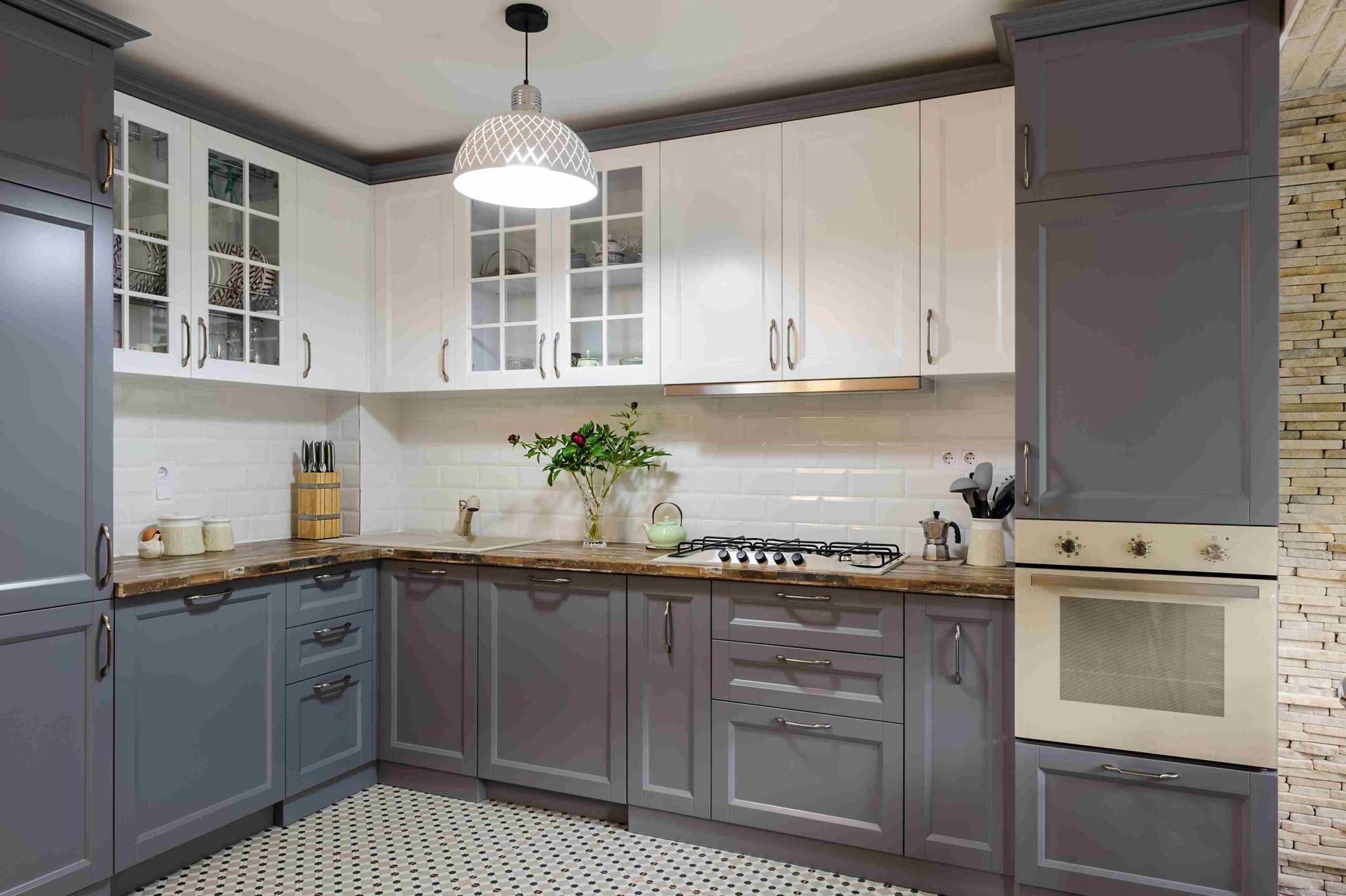
After the renovation is complete, the functional changes are immediately noticeable: cabinet doors that open and close without resistance, wall surfaces that clean without absorbing staining, and paint finishes that don't show scuff marks from routine contact. The visual coherence between cabinet color, wall finish, and trim profile is what separates a professionally completed kitchen from one where updates were made piecemeal over time. Even surfaces that weren't replaced look intentional when the finishes surrounding them are consistent.
Not every kitchen remodel requires the same scope, and D & B Painting and Drywall approaches each project based on actual condition rather than a fixed package. Homeowners choosing cabinet updates only will have a different project timeline and surface preparation requirement than those doing complete kitchen transformations—both are valid approaches, and the right one depends on what the underlying structure supports and what the homeowner's priorities are.
What Property Owners Usually Ask
Kitchen remodeling involves decisions that affect both the project process and the long-term performance of the finished space. The following questions address common points homeowners raise before and during the planning stage.
What wall board is appropriate for kitchen surfaces near the sink?
Moisture-resistant drywall, sometimes called greenboard or cement board depending on the specific application, is standard near wet zones—standard drywall used in those locations absorbs moisture over time and eventually delaminates or develops mold behind the finish layer.
How are cabinet updates different from full cabinet replacement?
Cabinet refacing and repainting preserve the existing box structure and work well when the framing is square and solid, while full replacement is necessary when boxes have warped, are pulling from the wall, or when the layout itself needs to change.
Why do kitchen paint finishes fail faster than paint in other rooms?
Kitchens generate airborne grease and steam that penetrate flat and eggshell finishes over time—semi-gloss or satin sheens with appropriate primers applied to properly prepared surfaces hold up significantly better in high-activity cooking environments.
When should wall surfaces be replaced rather than skimmed over in Raleigh homes?
In homes that experienced any period of deferred maintenance or where windows above the sink had seal failures, wall cavities near exterior walls often retain moisture—probing for soft spots before deciding between skim coat and replacement is a standard part of the assessment process.
What affects how long a kitchen remodel takes to complete?
The primary variables are the condition of existing surfaces, whether cabinet replacement or refacing is involved, and how many finish layers—primer, base coat, topcoat—are required for the specific materials being used, each of which requires cure time before the next stage begins.
D & B Painting and Drywall works with Raleigh homeowners to plan kitchen renovations around actual surface conditions and realistic project scope. Contact the office at (919) 215-3600 to arrange an assessment and discuss which improvements make the most practical difference for your specific kitchen.